
Myth vs. Truth: Why More Ticket Machines Don’t Equal Fiscal Responsibility
For decades, public transit agencies have treated ticket vending machines as a visible sign of investment and responsibility. When budgets are approved, new machines feel tangible: steel, screens, kiosks on platforms. They look like progress.
But that assumption no longer holds up under modern financial scrutiny.
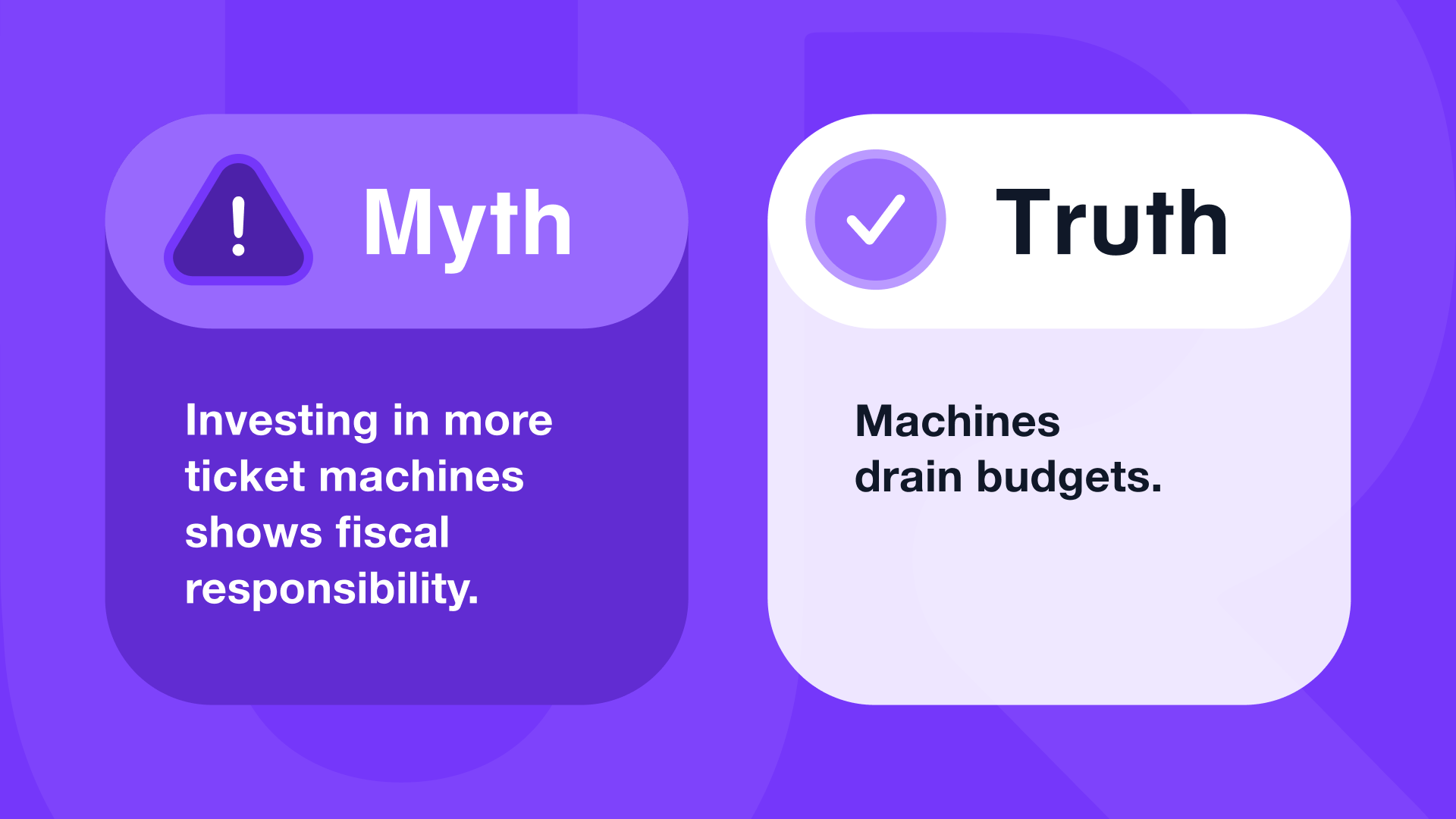
Myth: Investing in more ticket machines shows fiscal responsibility.
Truth: Machines drain budgets.
At first glance, ticket vending machines appear to be a one-time capital expense. In reality, they represent a long-term financial commitment that quietly erodes already stretched transit budgets.
The real cost of hardware
A single ticket vending machine typically costs between $25,000 and $75,000 upfront. That figure alone can consume a meaningful portion of a small or mid-sized agency’s annual capital budget. But the purchase price is just the beginning.
Each machine also requires $3,000–$5,000 per year in ongoing maintenance. That includes software updates, repairs, replacement parts, cash handling, security, connectivity, and on-site servicing. Over a 10–15 year lifecycle, the true cost of ownership can easily exceed the original purchase price.
And unlike digital systems, hardware does not scale gracefully. Adding coverage means adding more machines. Expanding service means more installations. Replacing aging units means repeating the cycle—again and again.
Capital risk in an uncertain world
Transit agencies today operate in an environment defined by uncertainty: fluctuating ridership, evolving fare policies, and pressure to modernize without disrupting service. Large, upfront capital investments lock agencies into decisions that are difficult to reverse.
When ridership patterns change—or when new payment technologies become standard—ticket machines don’t adapt. They depreciate. They sit underused. They become stranded assets.
For CFOs and finance teams, this creates unnecessary exposure. Capital dollars tied up in hardware are dollars that can’t be redirected toward service improvements, data capabilities, or rider-focused initiatives.
A smarter financial model
This is why many agencies are rethinking fare collection through a different lens: operating efficiency rather than physical assets.
SaaS-based, account-based ticketing platforms shift spending from large capital outlays to predictable operating costs. Instead of buying machines, agencies invest in software that evolves over time, updates automatically, and scales with demand.
The financial benefits are immediate:
- Lower upfront costs
- Predictable annual expenses
- Reduced maintenance and support overhead
- Faster deployment of new fare policies and rider features
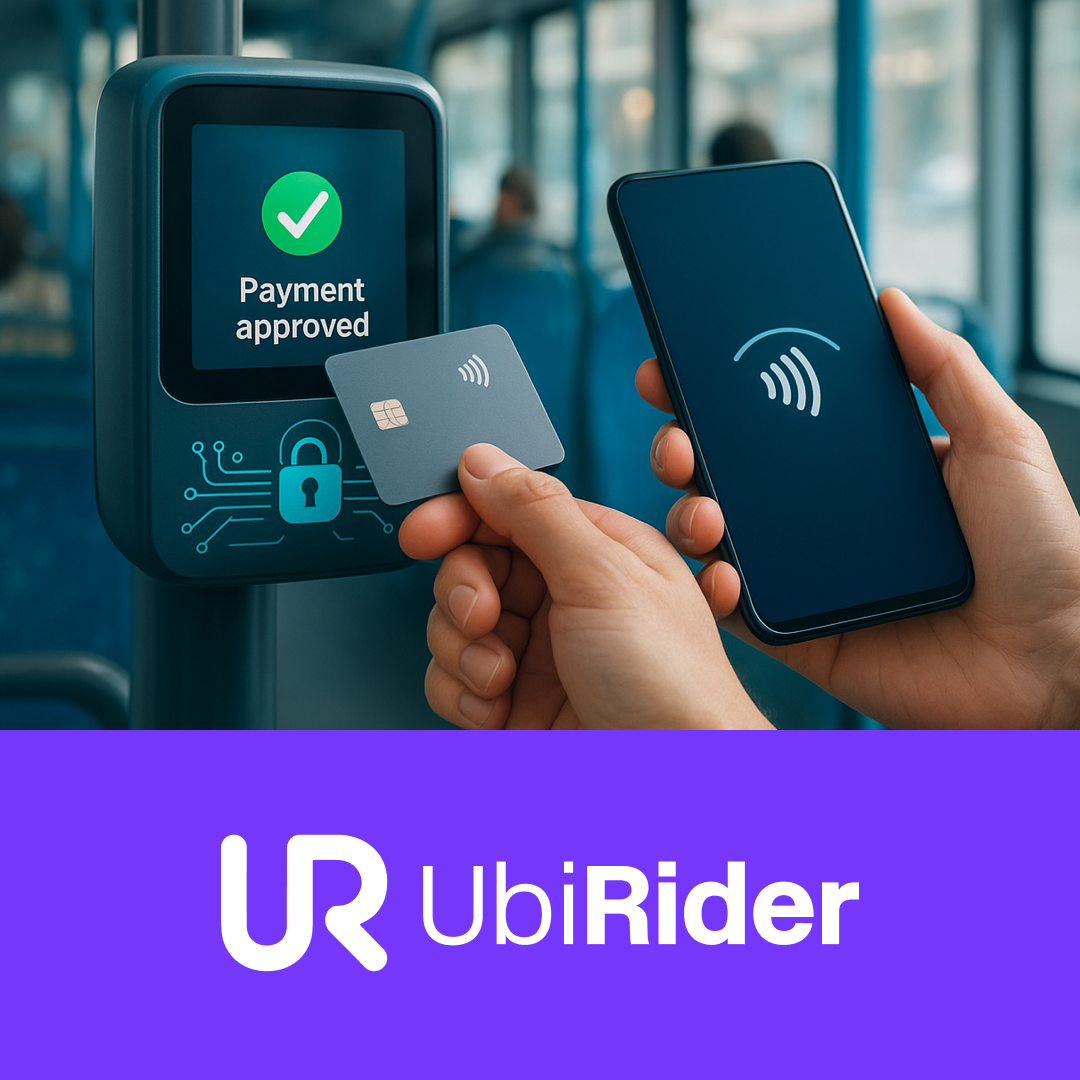
Just as important, digital platforms support multiple payment options—contactless cards, mobile wallets, fare capping—without requiring new hardware on the ground.
Fiscal responsibility has changed
True fiscal responsibility in public transit is no longer about owning more equipment. It’s about reducing long-term risk, improving flexibility, and ensuring every dollar spent delivers measurable value.
Modern fare collection doesn’t require ripping out what works. It requires evolving away from costly, hardware-heavy models toward software-driven systems that adapt to riders, regulations, and financial realities.
The agencies that thrive over the next decade won’t be the ones with the most machines. They’ll be the ones that choose smarter, lighter, and more adaptable ways to serve their communities—while keeping budgets under control.
That’s not just good technology strategy. It’s sound financial leadership.










.png)
.png)


.png)


.png)